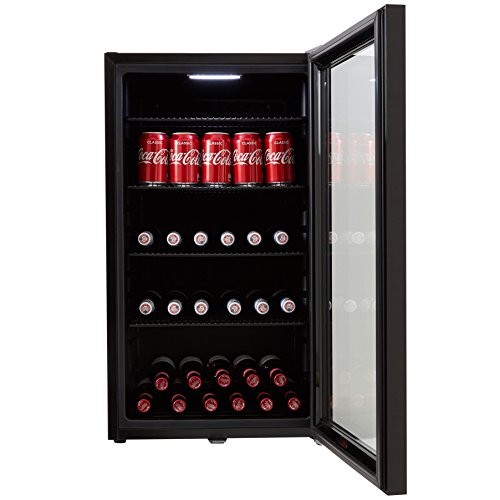
The Mighty Mini: A Comprehensive Guide to Compact Fridges
In today's world, where area frequently comes at a premium, the requirement for effective and space-saving appliances is constantly rising. From dynamic city homes to minimalist dormitory and mobile home, maximizing performance without compromising valuable square video footage is key. Go into the compact fridge, a marvel of modern engineering that provides the important benefit of refrigeration in an easily smaller sized package. These miniature marvels are not just scaled-down versions of their full-sized equivalents; they are attentively created home appliances tailored to fulfill specific requirements and in shape snugly into areas where a basic fridge would simply be impractical.
Compact fridges, likewise frequently described as mini-fridges, offer a flexible option for anybody seeking refrigeration without the bulk. They are more than simply dormitory staples; they are sophisticated cooling units that cater to a vast array of requirements, from keeping drinks chilled in an office to protecting skin care products in a bedroom or storing treats and medications in a healthcare facility space. This post explores the world of compact fridges, exploring their various types, advantages, important buying factors to consider, diverse applications, and necessary maintenance ideas to assist you understand why these petite powerhouses are ending up being increasingly vital in modern living.
Unloading the Types: A Compact Fridge for every single Need
The umbrella term "compact refrigerator" includes a variety of specific types, each created with an unique purpose in mind. Comprehending these differences is the primary step in selecting the best refrigerator for your specific needs.
Here's a breakdown of typical compact refrigerator types:
- Mini-Fridges: These are maybe the most identifiable type of compact fridge. They are generally cube-shaped or somewhat rectangular and offer standard refrigeration. They typically include a small freezer compartment, though it's usually finest fit for ice trays or very small frozen items rather than long-lasting frozen food storage. Mini-fridges are popular for dormitory, offices, bedrooms, and as secondary fridges in homes.
- Beverage Coolers: Designed particularly for chilling drinks, beverage coolers frequently focus on rack space for cans and bottles over traditional shelving for food products. They often include glass doors to showcase the contents and adjustable temperature level controls optimized for drinks. These are ideal for home bars, game spaces, offices, or anyone who amuses regularly and desires dedicated drink storage.
- Wine Coolers: A specialized kind of beverage cooler, wine coolers are developed to maintain the precise temperature and humidity levels needed for optimum wine storage. They often feature horizontal racks to store wine bottles on their sides, preventing corks from drying. Wine coolers can be thermoelectric or compressor-based, with compressor designs providing more consistent cooling and humidity control. These are an essential for wine enthusiasts and collectors with limited area.
- Cube Fridges: As their name recommends, cube fridges are small and cube-shaped, offering exceptionally compact refrigeration. They are minimalistic in design and typically do not have a freezer compartment. Cube fridges are best for really tight areas where only necessary cooling is required, such as small workplaces or personal spaces.
- Under-Counter Fridges: Designed to fit effortlessly under kitchen counters or bars, these compact fridges are typically more stylish and integrated than other types. They can come with functions like beverage racks, crisper drawers, and even ice makers. Under-counter fridges provide convenient access to chilled items in kitchen areas, home bars, or entertainment areas.
The Allure of Compact: Benefits that Go Beyond Size
The appeal of compact fridges extends far beyond their space-saving measurements. They use a range of benefits that make them a smart and useful option for different situations:
- Space Efficiency: The most apparent advantage, compact fridges master environments where space is limited. They can fit into corners, under desks, or in small rooms where a full-sized refrigerator would be difficult.
- Energy Efficiency: Compact fridges typically take in considerably less energy than full-sized refrigerators. This translates to reduce electrical power costs and a lowered ecological footprint. For individuals or small households, a compact refrigerator can be a more energy-conscious refrigeration alternative.
- Mobility: Many compact fridges, especially mini-fridges and cube fridges, are created to be lightweight and reasonably portable. This makes them easy to move in between rooms, transport to dorms, and even take on journey (though car-specific designs are often recommended for car usage due to power requirements and vibration).
- Cost-Effectiveness: Compact fridges are generally cheaper to buy initially than full-sized refrigerators. Their lower energy intake also adds to long-lasting cost savings.
- Convenience: Having a compact fridge in a bed room, office, or recreation room offers exceptional convenience. It removes unnecessary journeys to the cooking area for drinks, snacks, or medications, making every day life a bit easier.
- Specialized Storage: As seen with beverage and wine coolers, compact fridges can be specifically created for specific storage requirements, guaranteeing optimal conditions for drinks, wines, or perhaps cosmetics and skincare products.
Making the Right Choice: Factors to Consider Before Buying
Selecting the best compact fridge involves considering a number of crucial aspects to guarantee it meets your specific requirements and choices.
Here are vital aspects to assess before buying:
- Size and Capacity: Determine the amount of storage area you require. Consider the intended use-- beverages only, treats and drinks, or some food items. Compact fridges are determined in cubic feet, with sizes varying from under 1 cubic foot to around 5 cubic feet for bigger designs.
- Functions: Think about preferred features. Do you need a freezer compartment? sneak a peek at this site ? Temperature level control? Interior lighting? Beverage racks? Think about features that align with your planned usage.
- Energy Efficiency: Look for Energy Star rankings to recognize designs that are more energy-efficient. Examine the approximated annual energy consumption to compare running expenses between various designs.
- Noise Level: Some compact fridges, especially compressor-based designs, can be noisier than others. If noise is a concern, particularly in bed rooms or quiet offices, search for models advertised as "quiet operation" or examine decibel scores if readily available.
- Brand name and Reliability: Research trustworthy brand names known for producing trustworthy home appliances. Read client examines to get insights into real-world efficiency and prospective concerns.
- Rate: Set a budget and compare rates throughout various designs and brands. While more affordable designs might appear attractive, think about long-lasting value, energy efficiency, and reliability.
- Visual: For specific locations, like home bars or offices, the aesthetic of the refrigerator may be important. Compact fridges come in various surfaces and designs, from timeless black and white to stainless steel and even retro designs.
Beyond the Dorm Room: Versatile Applications of Compact Fridges
Compact fridges are much more flexible than their association with dormitory might suggest. They discover practical applications in a wide variety of settings:
- Dorm Rooms: A classic use, compact fridges provide necessary cooled storage for students in minimal dormitory spaces, keeping drinks, snacks, and leftovers easily available.
- Workplaces: Personal or shared office fridges supply practical access to cold beverages, lunches, and snacks, enhancing staff member convenience and performance.
- Bedrooms: Keeping medications, skin care items, or personal treats cooled in a bed room refrigerator adds benefit and personal convenience.
- Video Game Rooms and Home Theaters: Beverage coolers or mini-fridges in home entertainment spaces guarantee drinks and treats are constantly within reach throughout motion picture nights or gaming sessions.
- RVs and Trucks: Compact fridges developed for mobile use (frequently with 12V DC power compatibility) are indispensable in RVs, trucks, and boats, providing refrigeration on the go.
- Studio Apartments and Studios: In extremely small apartments or studios, a compact refrigerator can work as a main refrigeration system, particularly for people or couples with very little food storage needs.
- Healthcare Facilities and Care Facilities: Compact fridges are utilized in client spaces and care facilities to save medications, personal drinks, or snacks under controlled temperature levels.
Keeping it Cool: Maintenance for Longevity and Efficiency
Appropriate maintenance is important to ensure your compact fridge runs effectively and lasts for several years to come.
Here are essential maintenance pointers:
- Regular Cleaning: Clean the interior of your refrigerator routinely with a mild detergent and warm water. Wipe spills immediately to prevent smells and discolorations.
- Defrosting (if manual defrost): If your compact fridge has a manual defrost freezer, defrost it frequently when frost buildup becomes substantial. Frost decreases efficiency and storage area. Follow the producer's guidelines for thawing.
- Correct Loading: Avoid overpacking the fridge, as this can limit air flow and minimize cooling effectiveness. Ensure products are not obstructing vents.
- Ventilation: Ensure sufficient ventilation around the refrigerator to permit correct heat dissipation. Prevent positioning it in enclosed areas or straight against walls.
- Check Door Seals: Regularly check door seals for damage or wear. A defective seal can lead to temperature level fluctuations and increased energy consumption.
- Leveling: Ensure the fridge is level to guarantee proper door closure and operation of the cooling system.
- Yearly Deep Clean: Once a year, carry out a more comprehensive cleansing, including removing shelves and drawers for a deeper tidy.
Conclusion: The Compact Fridge - A Small Appliance with a Big Impact
Compact fridges are more than simply mini versions of their larger equivalents; they are intelligently developed home appliances tailored for modern living. Their adaptability, space-saving style, energy performance, and cost-effectiveness make them an increasingly important addition to homes, workplaces, and different other settings. Whether you need a devoted beverage cooler, a convenient dormitory room refrigerator, or a space-saving service for a small apartment or condo, comprehending the types, benefits, and considerations laid out in this guide will empower you to select the ideal compact refrigerator to meet your particular requirements and improve your day-to-day benefit. Welcome the magnificent mini, and experience the surprisingly considerable effect a compact fridge can have on your area and way of life.
Often Asked Questions (FAQs) about Compact Fridges
Q: What is the average life expectancy of a compact fridge?
A: The lifespan of a compact fridge is normally similar to that of a full-sized refrigerator, generally ranging from 10 to 15 years with correct upkeep. Elements like usage strength and quality of components can affect durability.
Q: Are compact fridges energy-efficient?
A: Yes, usually compact fridges are more energy-efficient than full-sized refrigerators. Look for Energy Star certified models for ideal energy savings. Nevertheless, energy usage can vary in between designs, so always check the energy ranking and estimated yearly consumption.
Q: Do all compact fridges have freezers?
A: No, not all compact fridges have freezer compartments. Numerous mini-fridges consist of a small freezer, however it's usually created for ice trays or extremely restricted frozen storage. Cube fridges and some beverage coolers frequently do not have freezers altogether. Wine coolers particularly do not have freezers.
Q: Are compact fridges noisy?
A: Noise levels can vary in between compact refrigerator designs. Compressor-based models may produce a visible hum, while thermoelectric models are typically quieter however may have less powerful cooling capacity. Try to find "quiet operation" models if sound is a considerable concern.
Q: Can I save frozen food in a mini-fridge freezer for a very long time?
A: Mini-fridge freezers are typically not designed for long-term frozen food storage. Temperature level fluctuations and restricted space make them better suited for short-term storage of ice or a couple of small frozen products. For long-lasting frozen food storage, a devoted freezer is advised.
Q: How often do I require to defrost a manual defrost compact refrigerator?
A: The frequency of thawing depends upon use and humidity levels, however usually, you must defrost a manual defrost compact fridge when frost buildup reaches about 1/4 inch thick on the freezer walls. Routine defrosting prevents ice accumulation that reduces performance and storage space.
Q: Can I utilize a compact refrigerator in my car?
A: While some compact fridges may technically operate in a vehicle, it's generally not advised unless they are particularly created for car usage and have 12V DC power compatibility. Requirement compact fridges are created for family air conditioner power and might not hold up against the vibrations and power fluctuations in a car. Car-specific portable refrigerators are a much better option for in-vehicle refrigeration.